 JAPAN'S BEST-DESIGNED SAUNAS
Q&A
What are saunas in old Japanese houses like?
They are Kyoto machiya or farmhouses over 150 years old renovated into saunas. They add sauna rooms and cold baths while making use of the old building's materials and form. Many can be booked privately or by reservation.
ROKKAKU (Kyomachiya private sauna) →
A tea-room sauna in a Kyoto machiya
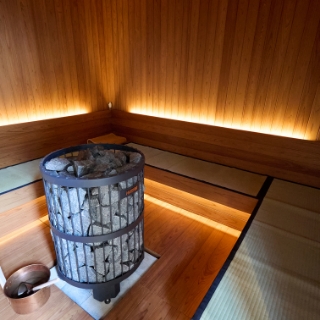
ROKKAKU is a private sauna in a Kyoto machiya in Nakagyo-ku, Kyoto. Its official website describes it as “Kyoto machiya × modern”.
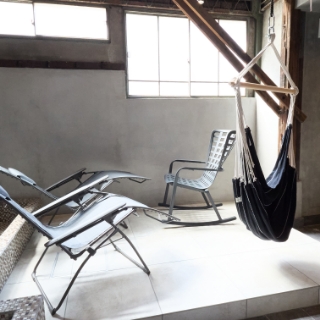
In the tea-room sauna, the seats are arranged around the stove. The rest area is a double-height space with a high ceiling.
A farmhouse over 150 years old and an earth sauna
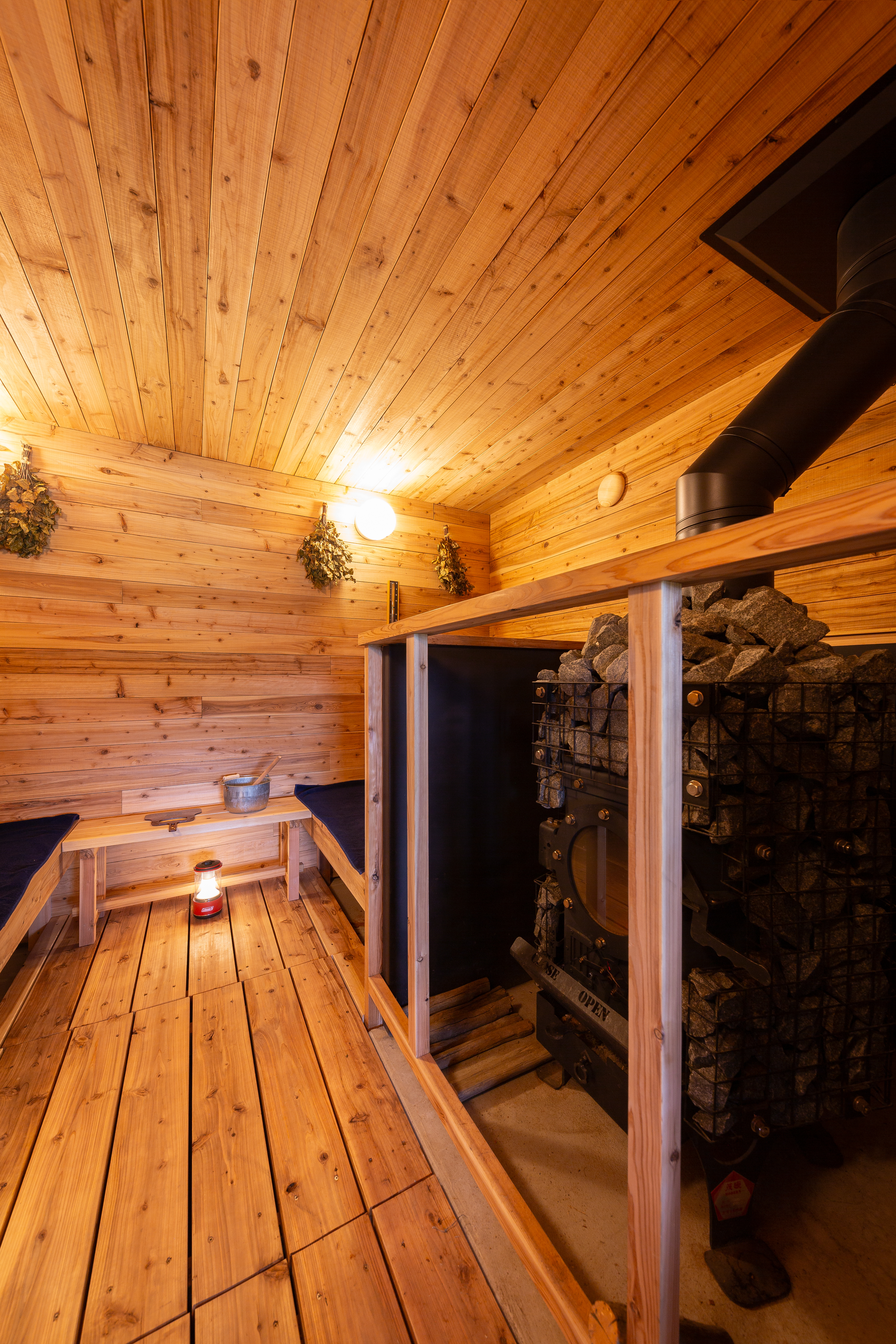
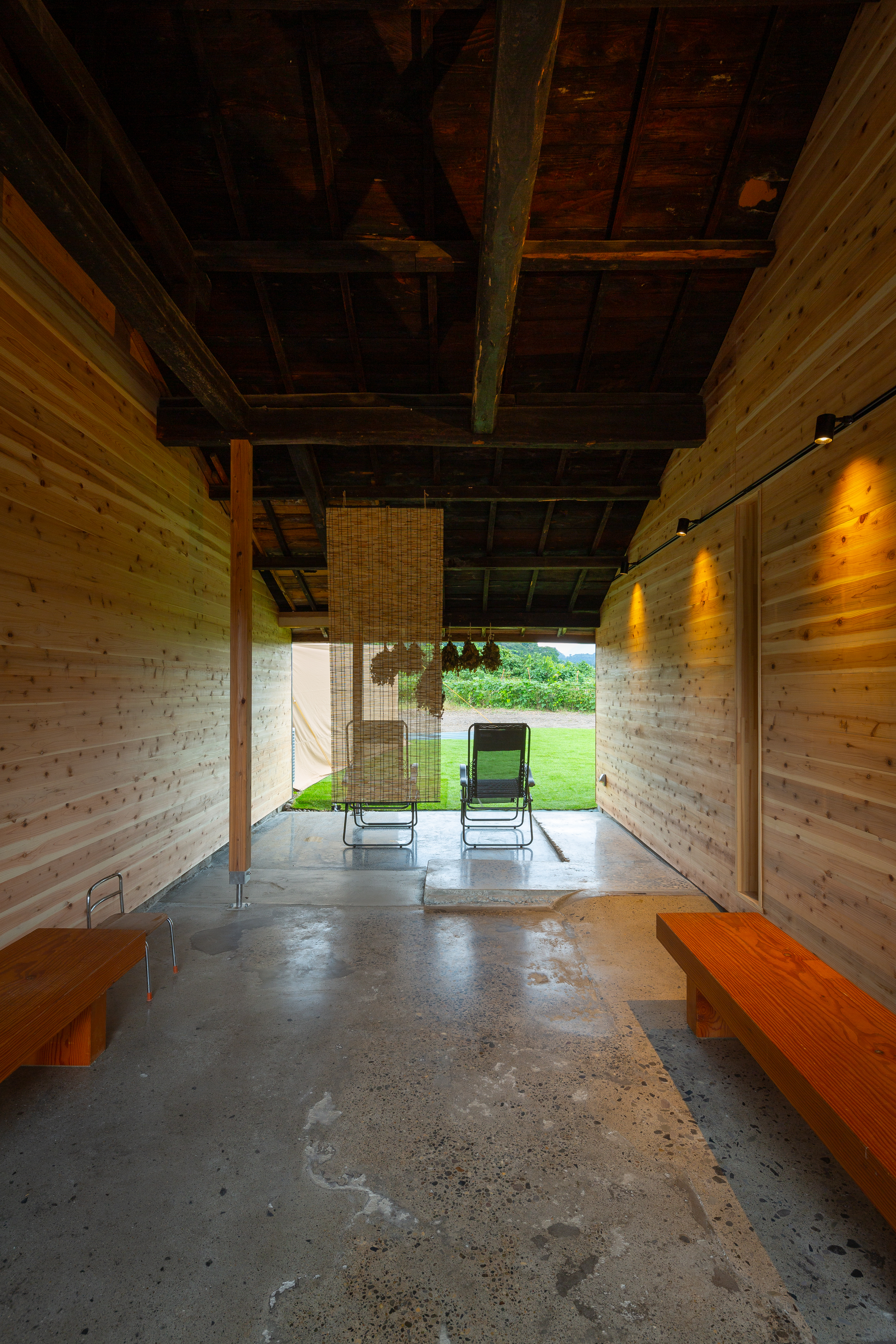
JIKON SAUNA TOKYO is a whole-house rental in an old farmhouse in Ome, Tokyo. One group a day stays in the farmhouse, which is over 150 years old.
The sauna is an earthbag sauna made of soil. A natural cold bath of well water is in the garden.


A family farmhouse, kept as it was
Lita-sauna is a private sauna in a renovated farmhouse in Izumi-ku, Sendai. The old house next to the main house was brought back to life as a private sauna business.
Existing materials are used as they are, set alongside the new parts. It is by reservation, and you can choose general use or a private booking.
A row house at the end of an alley, made like a cave
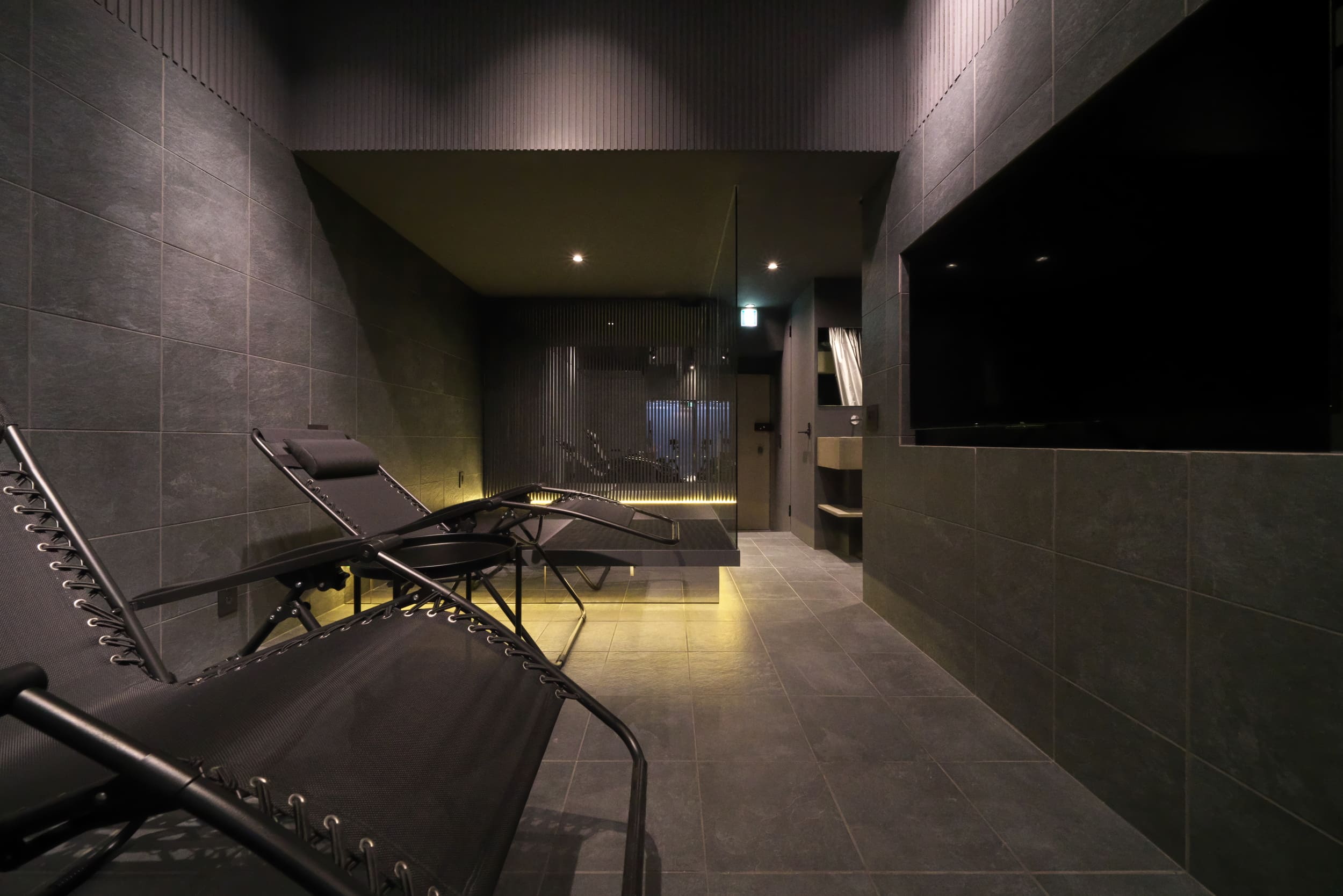
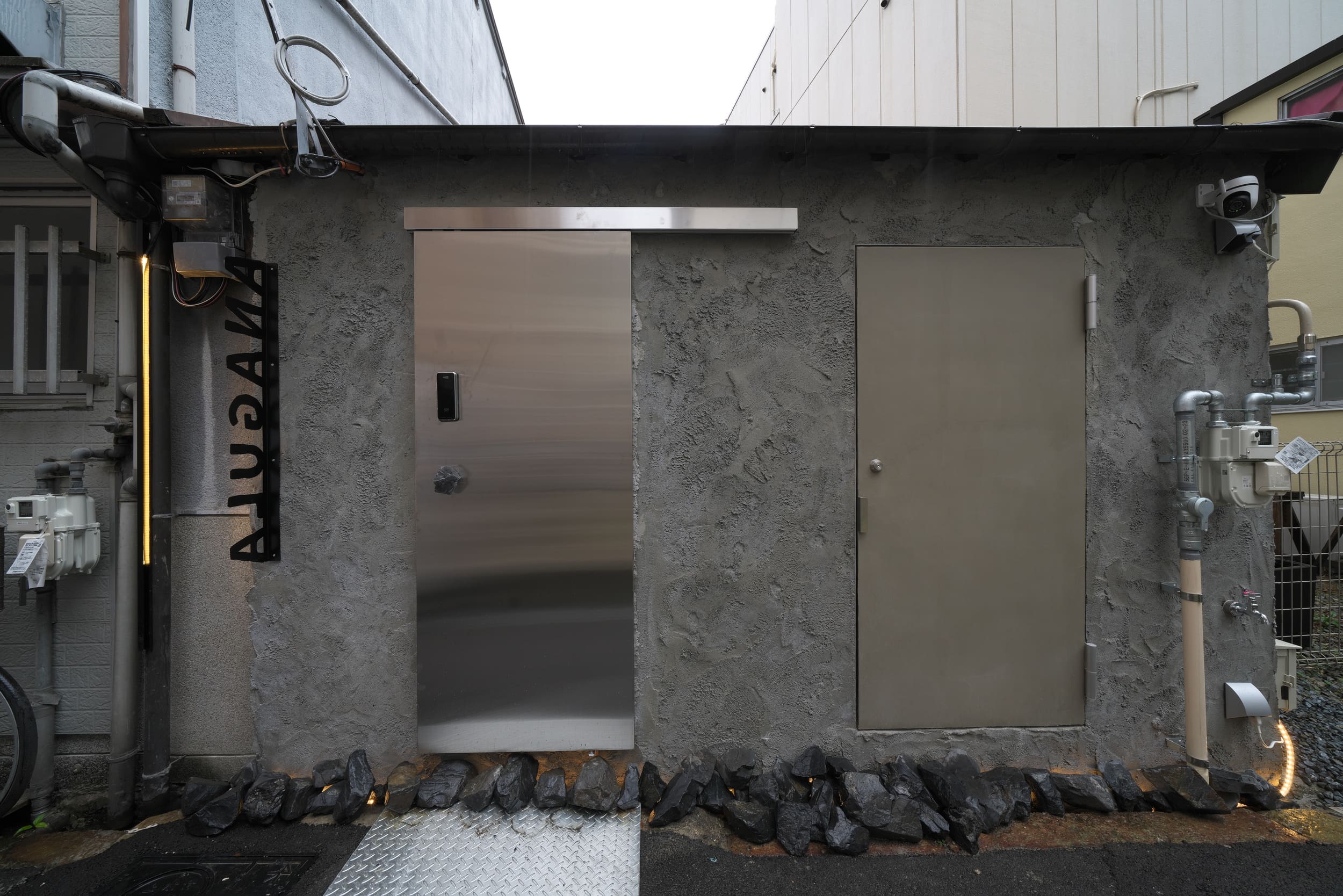
ANAGURA is a private sauna rented by the hour, in an alley in Edobori, Nishi-ku, Osaka. An old row house at the end of the alley was renovated entirely.
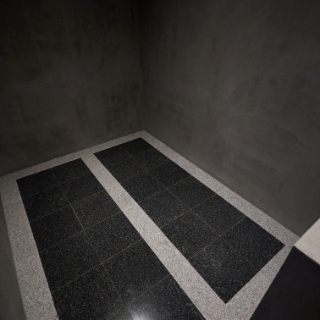
Rough mortar walls and gravel give it a cave-like feel. The lighting is deliberately dim.
What is a kominka?
An old Japanese wooden house that has stood for a long time.
The places here keep the materials and form of the kominka while adding sauna rooms and cold baths.
Other questions


 QWhat kinds of sauna stove are there?
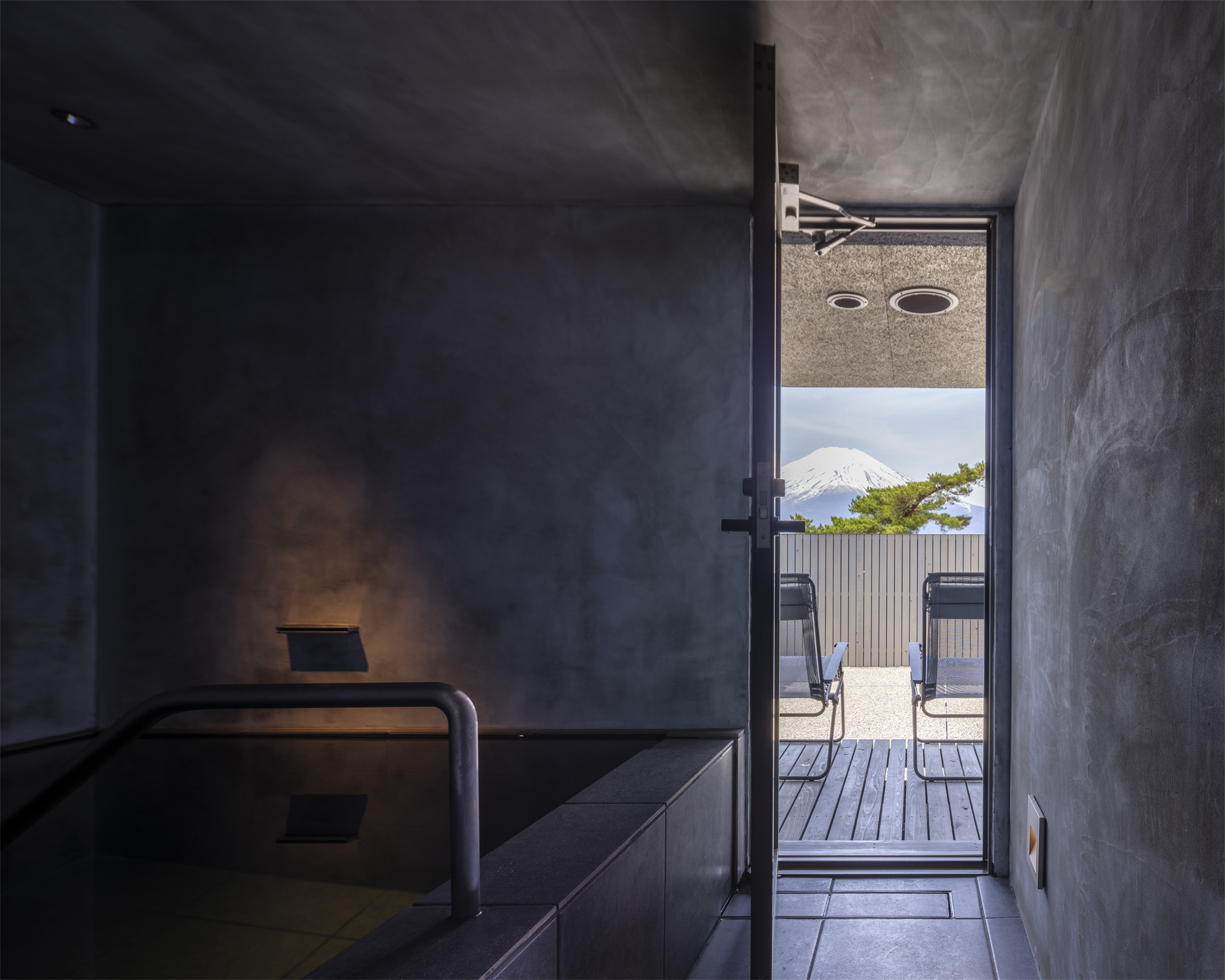
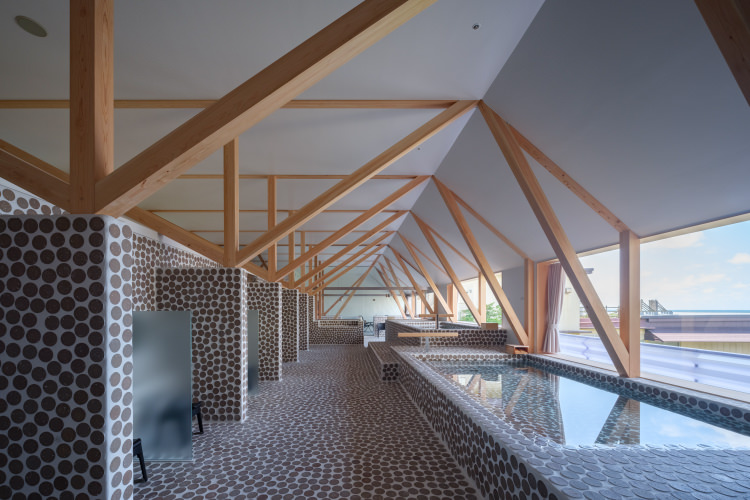 QAre there saunas where you rest with a view?
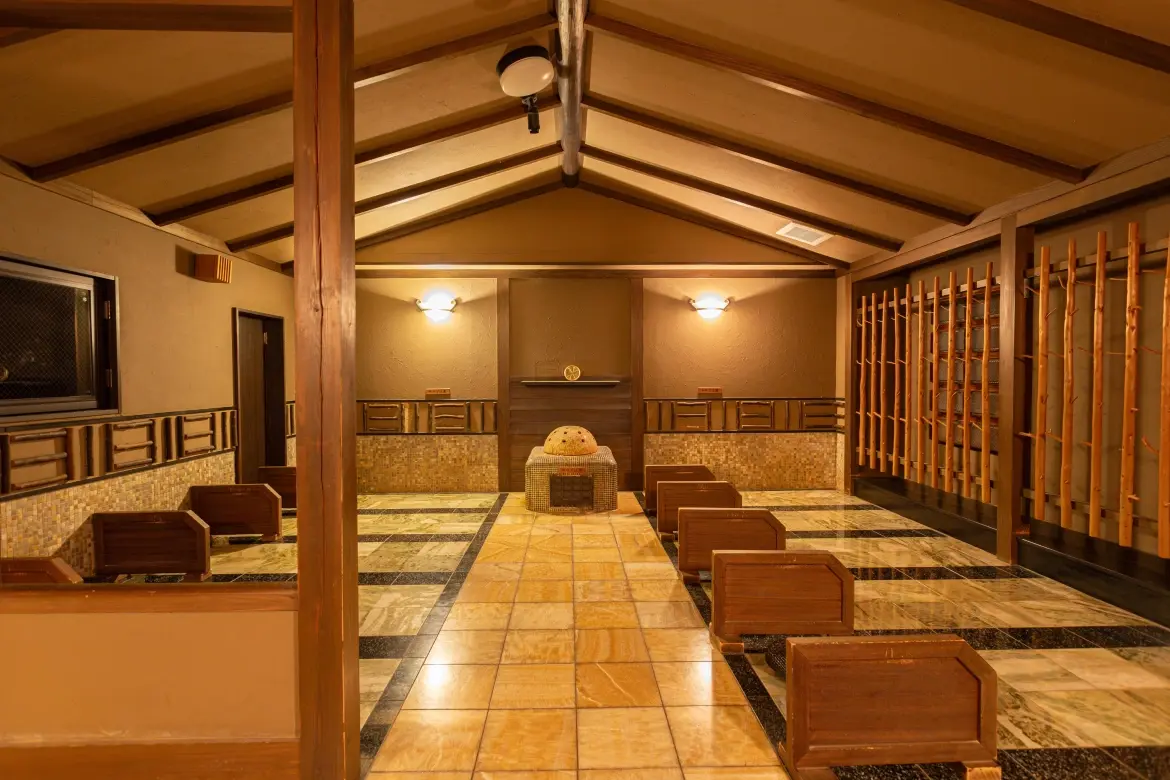
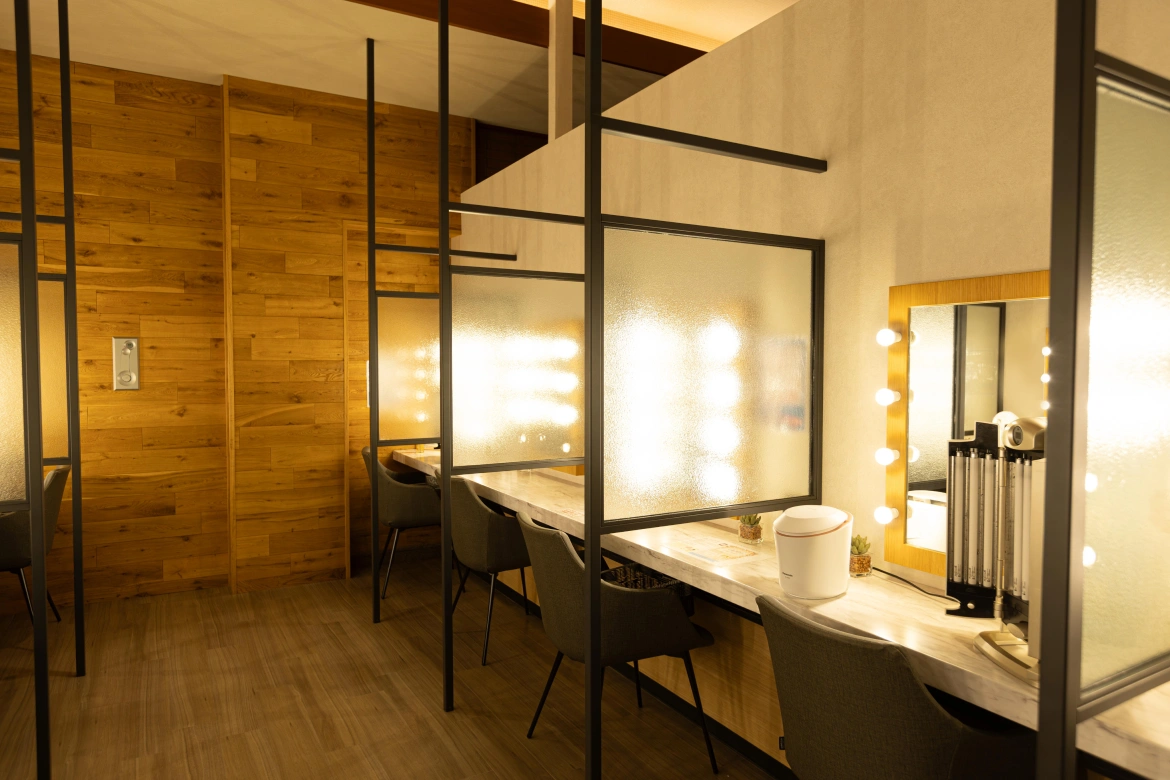
 QAre there saunas with ganbanyoku stone baths too?


 QWhere can you do “gaikiyoku” (outdoor rest) at a sauna?


 QWhat is the difference between a solo private sauna and a sauna you book for a group?


 QHow have the saunas at sentō bathhouses changed through renovation?
